Blog

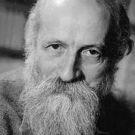
Martin Buber, 1940-50 Image credit: public domain, from The David B. Keidan Collection of Digital Images from the Central Zionist Archives

Rabindranath Tagore and Martin Buber: A Meeting of Two Great Souls

Although India’s myriad-minded literary genius, Rabindranath Tagore (1861-1941), and the renowned, highly revered Jewish philosopher and religious thinker, Martin Buber (1878-1965), met only three times, they had the utmost respect for each other’s philosophical and political views.  Despite their religious and cultural differences, both Tagore and Buber had much in common concerning their philosophical views about humanity. Read more
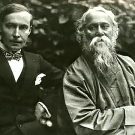
Rabindrnath Tagore (right) with his German publisher Kurt Wolff (left) in 1921. Image credit: Martin Kaempchen/ Visva-Bharati University

Rabindranath Tagore in Germany

“If I were asked who was the greatest poet India has produced, including the greatest of ancient India, Kalidasa, my firm answer would be: ‘Tagore’ … It is tragic, however, that his greatness as a poet will never be generally acknowledged, like the greatness of Goethe, Hugo or Tolstoy.”[1] Read more

Newspaper article from The Mail

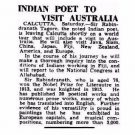
Rabindranath Tagore’s plans of travelling to Australia and his reception in the Australian media

Australia is one of the two continents which Rabindranath Tagore did not visit. When the Nobel Committee announced the award for literature in 1913 on 13 November, the news spread across the world, including the Australian continent. Many Australian newspapers published articles on the Bengali poet. Afterwards, Tagore was repeatedly invited to visit Australia, yet he never managed to go. The last attempt that he made to go there was when Rabindranath was seventy-six years old.  Read more

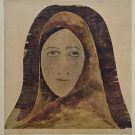
Rabindranath Tagore as Painter by Dr Tapati Gupta

Rabindranath Tagore’s multifaceted talent ranged over the varied genres of poetry, drama, novel, short story, non-fictional prose including criticism and travelogue. In his mature years he also turned to painting and achieved an individual style which though close to European modernism, especially Expressionism, inaugurated an era of Indian modernity in the realm of art. This article seeks to discuss the special features of his paintings and focuses on the distinctive characteristics of his paintings of women in relation to other artists of his time.  Read more

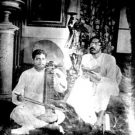
Rabindranath (right) singing with Abanindranath Tagore. Image credit: Ministry of Culture, Government of India

Tagore Songs: The Inner Spring and Outer Sources by Swapan Gupta

In the songs that Rabindranath Tagore composed, he assimilated many different classical ragas of India as well as melodies of the folk music of Bengal. He had a strong interest in Scottish, Irish and English popular songs, which he internalised and presented with unique Indian cultural inputs and personal feelings. His creations bear the stamp of his individuality while  retaining an affinity with the Western origin at the same time.  Read more