Blog

Santiniketan

Nationalism and his Idea of India

There were various stages in the development of Rabindranath’s humanism.  His deepening experience in relating to man and nature gave him his two most persistent drives in life: to bring joy and creativity and alternative values for a sustainable future to urban education, and to bring scientific education and self-reliance to the rural people. It was in Santiniketan in rural southern Bengal that he first began to integrate those strands. Read more
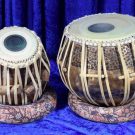
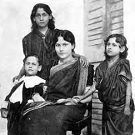
Tabla drums

Place of Music in his Life

Music was an important part of Rabindranath’s education. The family music teacher, Vishnu Chakraborty, taught youngsters the common Bengali folk songs. He has described how he loved them: Read more

Rabindranath Tagores son Rathindranath and daughters Madhurilata Devi (Bela), Mira Devi and Renuka

Acquaintance with Death

When his mother died Rabindranath was a very young boy. But when his sister in law and companion Kadambari Devi died he was utterly distraught. At the time he was writing a prose-drama called Nalini which was going to be acted by the Jorasanko family when she committed suicide. Read more

undivided India

First Rural Experience

His first chance of finding ‘himself’ came in the decade that he spent in rural East Bengal from 1889-1890 where his father sent him to manage the family’s agricultural estates. There he came into intimate contact with the common man’s miseries and struggle for survival. Read more

Tagores house in Kalimpong

Becoming a Poet

On returning home from England, Rabindranath became immersed in writing. While in England he began to write his first verse-drama, Bhagna Hriday (The Broken Heart), on the theme of a tormented poet disappointed in love as in his work titled Kabikahini (The Poet’s Story) which he wrote when he was sixteen. It was from a time in his young life when he harboured a fanciful image of himself. There was a great parade of universal love in those writings not surprising from a budding poet. Read more